Mining remains one of the most important industries in the world. From metals used in construction to minerals required for technology manufacturing, mining plays a vital role in supporting global development. Behind every successful mining project is a combination of skilled workers, careful planning, and reliable equipment.
Among the various tools used in mining operations, drilling equipment holds a particularly important position. Drilling tools are responsible for creating holes in r
ock formations, which are then used for blasting, sampling, or installing support systems in underground mines. Because of the demanding conditions in which these tools operate, mining companies often focus on selecting equipment that offers both durability and consistent performance.
In most mining operations, drilling is one of the first steps in the excavation process. Without accurate and efficient drilling, it becomes difficult to carry out controlled blasting and rock removal. This makes drilling equipment a central part of mining productivity.
Drilling tools are used in several stages of mining, including exploration drilling, production drilling, and infrastructure development within mines. Each stage may require different types of drilling machines and accessories depending on the depth, rock hardness, and environmental conditions.
Reliable drilling equipment allows operators to work more efficiently while maintaining safety standards. It also helps reduce the chances of equipment breakdowns that can delay operations and increase project costs.
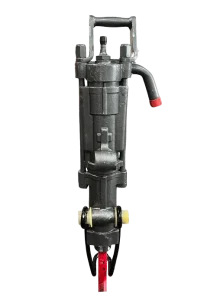
Mining companies use a wide range of drilling tools depending on the specific requirements of their operations. Some of the most common equipment includes pneumatic rock drills, jack hammer drills, drifter drills, and paving breakers.
Pneumatic rock drills are widely used in underground mining because they are relatively simple in design and easy to maintain. These machines operate using compressed air, which makes them suitable for remote mining environments where electrical systems may not always be available.
Jack hammer drills are commonly used for smaller drilling tasks and construction-related work. They are portable and versatile, allowing operators to perform drilling tasks in confined spaces or areas with limited access.
Drifter drills, on the other hand, are often used for more advanced underground drilling applications. These machines are typically mounted on drilling rigs and are designed for higher drilling speeds and precision.
Mining environments can be extremely challenging for equipment. Underground mines often have limited ventilation, high humidity levels, and abrasive rock formations that can cause significant wear on drilling tools.
Surface mining operations present their own challenges as well. Dust, temperature fluctuations, and heavy usage can all affect the performance and lifespan of drilling equipment.
Because of these conditions, mining companies tend to prioritize equipment that is robust and easy to maintain. Regular maintenance and proper handling of tools are essential to ensure consistent performance over time.
Maintenance is a critical aspect of mining operations. Even the most durable equipment requires regular inspection and servicing to operate efficiently.
Routine maintenance typically includes checking air pressure systems, lubricating moving components, replacing worn-out parts, and inspecting drill rods and bits for damage. Proper maintenance not only improves the lifespan of equipment but also enhances operator safety.
Mining companies often implement preventive maintenance schedules to identify potential issues before they lead to equipment failure. This proactive approach helps reduce downtime and keeps operations running smoothly.
The mining industry has seen significant technological advancements over the past few decades. Manufacturers are continuously working to improve the performance and reliability of drilling equipment through better materials, improved design, and advanced manufacturing processes.
Modern drilling tools are designed to provide higher drilling efficiency while minimizing operator fatigue. Improvements in ergonomics and vibration control have also contributed to safer working conditions for machine operators.
Additionally, digital monitoring systems are becoming more common in large-scale mining operations. These systems allow operators to track equipment performance and detect maintenance requirements in real time.
As global demand for minerals continues to grow, mining companies are expanding their operations to meet market needs. This growth has created a steady demand for high-quality mining equipment and drilling tools.
Manufacturers and suppliers around the world are working to provide equipment that meets the evolving needs of the mining industry. Reliable supply chains, product quality, and technical support are key factors that influence purchasing decisions for mining companies.
International trade has also played a significant role in connecting equipment manufacturers with mining operations across different regions. Many mining companies now source equipment from suppliers located in different parts of the world, depending on product quality, availability, and cost considerations.
Safety is one of the most important priorities in the mining industry. Drilling equipment must be designed and operated in a way that minimizes risks to workers.
Proper training for equipment operators is essential to ensure safe operation. Operators must understand how to handle drilling machines correctly, monitor e
quipment performance, and respond to any unusual operating conditions.
Protective gear, regular safety inspections, and well-maintained equipment all contribute to safer mining environments.
The future of mining equipment is expected to focus on greater efficiency, automation, and sustainability. Manufacturers are exploring new ways to design tools that consume less energy while maintaining high performance.
Automation technologies are also gradually being introduced in certain mining operations, especially in large-scale projects. These technologies aim to improve productivity while reducing the exposure of workers to hazardous environments.
At the same time, the mining industry continues to rely heavily on proven mechanical tools that have demonstrated reliability over many years. This balance between innovation and reliability will likely shape the future development of mining equipment.
Drilling equipment remains a fundamental part of mining operations around the world. From exploration to production, these tools play a crucial role in enabling efficient and controlled excavation processes.
As mining projects become more complex and demanding, the importance of reliable drilling equipment will continue to grow. By focusing on equipment quality, proper maintenance, and operator safety, mining companies can maintain productive and sustainable operations in the years ahead.

 English
 Español
 русский
 português
 عربى
عربى français
 Polskie
 Nederlands
 Italiano
 Türk
Türk 한국어
한국어 Deutsche